Interactive Learning Tools
Each tool runs entirely in your browser — no login or installation required.


Koine Greek Resources

Basics of Biblical Greek - Notes
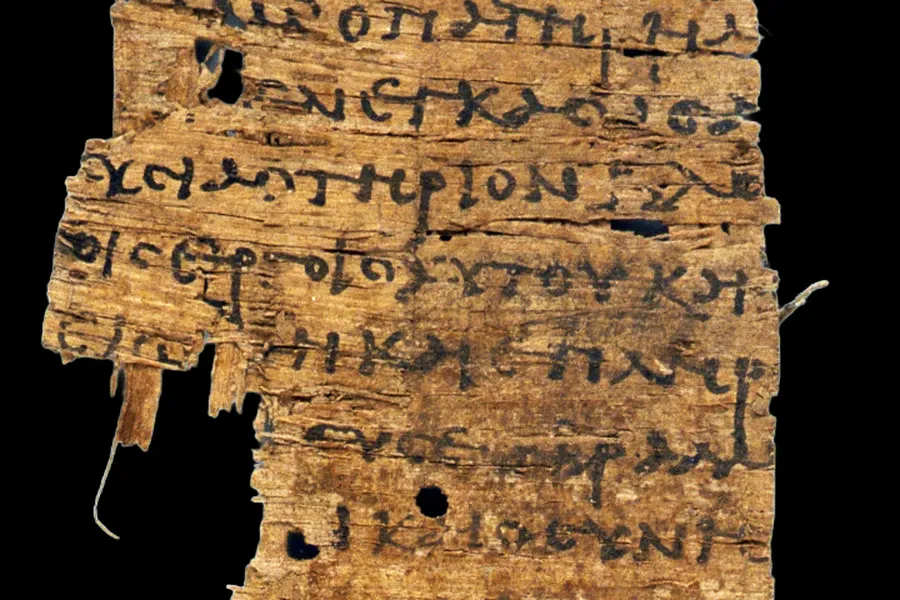
James — Greek Exegesis
Why Study the Greek New Testament?
The New Testament was written in Koine Greek — the common language of the first-century Mediterranean world. While faithful English translations convey the meaning of Scripture reliably, studying the original language opens a deeper window into the text: word meanings that carry theological weight, verb tenses that reveal aspect and action, and syntactical structures that shape interpretation.
Key terms like πιστεύω (to believe), ζωή αίώνιος (eternal life), and σῳζω (to save) carry precise meanings that inform debates around the gospel, assurance, and sanctification.
The vocabulary and chapter structure used in these tools follows Basics of Biblical Greek by William D. Mounce — the most widely used NT Greek textbook in seminaries today. Whether you are working through the textbook in class or self-study, the tools here map directly to each chapter’s vocabulary list.