When I think of dragons, I imagine the giant flying fire-breathing reptiles as in Skyrim or Shrek. I never expected to see the word in the Bible and thought it quite strange. I spent some time researching and wanted to collect my findings here for everyone.
The KJV uses the word dragon or dragons 35 times, 22 in the Old Testament and 13 in Revelation, though this article is mostly concerned with the odd use in some Hebrew contexts.
Linguistic History of Dragon
Unlike unicorn, dragon in the KJV is a flattening of two distinct Hebrew words, tan (תַן) and tannin (תַנִּין). The first likely means a jackal and only occurs in desert contexts1, while the latter is often defensible as a cosmic monster2. The problem is the plural of tan is tannim (תַנִּים), visually indistinguishable from tannin in many older, damaged manuscripts.
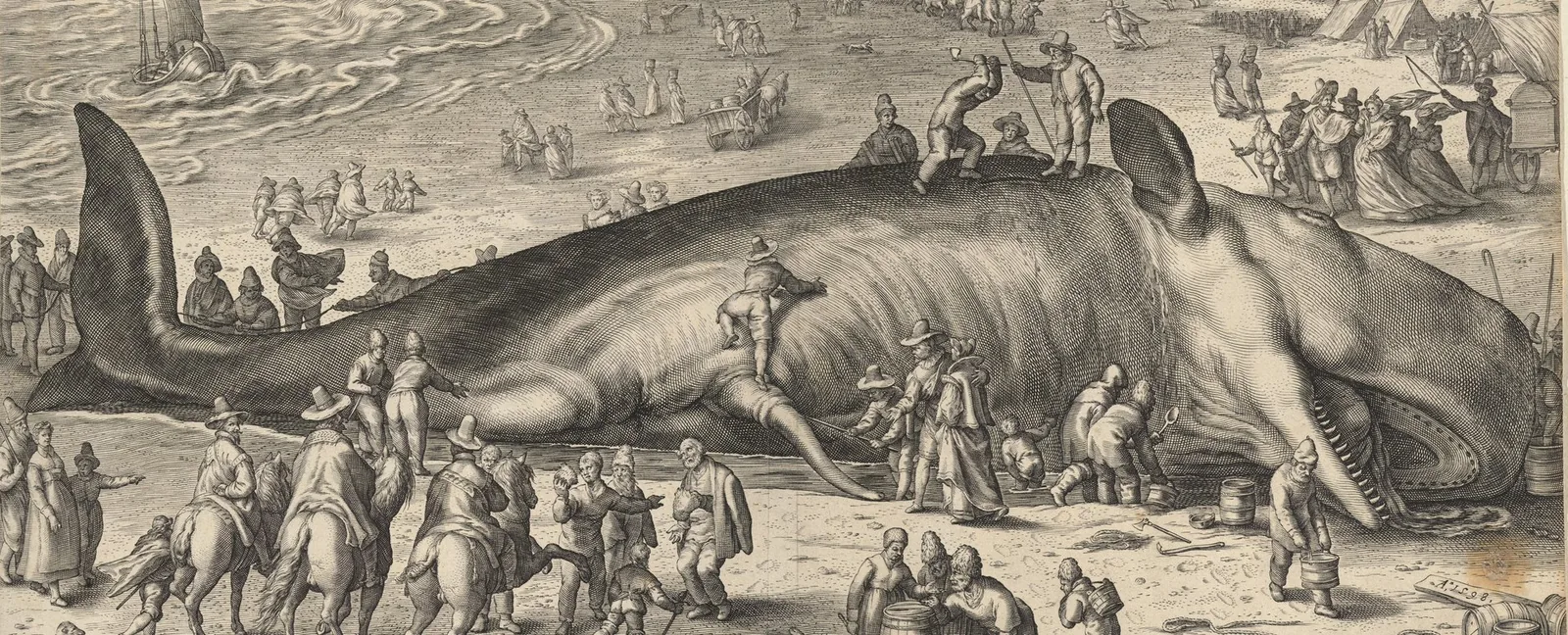
Rather than resolve the discrepancies, the KJV translators typically treated them as interchangeable. They defaulted to “dragon” as the traditional rendering from the Septuagint and Vulgate. The Greek OT (LXX) uses δράκων meaning large serpent, while the Latin draco is a loan word for the same. However, the KJV does treat tannin as “whale” three times (Genesis 1:21, Job 7:12, Ezekiel 32:2) and a literal serpent three times (Exodus 7:9, 7:10, 7:12).
While the mythical dragons had existed in European folklore for centuries prior to 1611, the word carried a broader sense that included “large serpent” and any great reptile - like a crocodile. For Malachi 1:3, for example, the KJV translators were unlikely to have been thinking of dragons from Arthurian legend. But what large reptile would inhabit the mountains of Edom? Perhaps they thought of snakes or, more simply, meant to convey a creature to signify a cursed land. This use of tan, unique as the female plural form, is rendered by nearly every other version as jackals and is a close parallel to Isaiah 34:13.
The KJV translators cannot be faulted for this confusion. Much like the "unicorn" before it, sorting out the tangled roots of the Hebrew tan (jackal) and tannin (sea monster) required centuries of advancements in comparative Semitic linguistics, utilizing cognates in Ugaritic, Arabic, and Aramaic.3 The 1611 translators were neither lazy nor uninformed; they faithfully followed the tradition of Wycliffe and Coverdale up to the Bishop’s Bible (1568). Those earlier versions had long wrestled with a complex textual tradition inherited from the Septuagint and Latin Vulgate, which frequently swung between translating these terms as ordinary beasts or cosmic monsters depending on the immediate environment.
Some Dragon Example Verses
The contexts of some of these verses are quite interesting, helpful for understanding the range of tannin.
For example, Lamentations 4:3 in the KJV speaks of sea monsters baring their breasts for their young. John Gill took the view that the text could speak of whales, dolphins, or sea calves (seals) as aquatic animals with breasts.4 But paired with the ostrich and the geographic context, Jeremiah is clearly describing a desert creature.
Psalm 148:7 uses dragons of an apparent creature of the deep, the ocean. Yet, it is the same word the KJV translates as whale in Genesis 1:21. Is that one an inconsistency or a genuine interpretation issue? The text seems to distinguish large aquatic animals from all other sea life. The NASB and CSB render the word as “sea monsters”. The Hebrew psalmist likely had never seen a whale or giant squid. The Jewish culture may have conceptualized these creatures with mythology attributes.
Ezekiel 29:3 is another clear example of applying tannin to a real aquatic animal. The prophet pronounces doom on the pharaoh of Egypt who lies as a “dragon” in the midst of his rivers. However, the KJV of Ezekiel 32:2 translates the same word as whale, referring again to the pharaoh. Unlike other texts, there’s no shift in author, subject, or genre. The KJV translators may have used whale for the latter sea reference but felt dragon, untamable reptile (i.e. likely a crocodile) was more appropriate for the river settings. Modern readers of the KJV may miss that the same image is actually pressed twice by God. The ESV uses “dragon” in both places while the NIV uses “monster” each time.
Psalm 91:13 has a helpful parallel structure. Those who trust in God will tread and trample over lions and snakes. There is no need to reach for a monstrous or mythical connotation here or anywhere unless the context warrants it.
Related Biblical Words to Dragon
Closely related to the sea monster sense of tannin is Leviathan. Psalm 74:12-15 recounts the Exodus, from Israelites leaving Egypt to cross the Jordan. The sea monster is rendered as plural in most translations but viewed as a collective plural in the NIV and NET. God demonstrated mastery over a multiple headed sea beast with a parallelism to the greatest of such monsters, the Leviathan. It may be either creature is a hyperbole for a crocodile or hippopotamus or literally some primordial beast of chaos. Either way it’s applied to Egypt’s armies being devoured in the Red Sea.
If the tannin is the same creature as Leviathan, it is worth noting Job 41:19-21 describes it with fire breathing breath, certainly unlike any natural animal (or any known extinct dinosaur).
Of course, in the Greek of Revelation 12:9, ὁ δράκων ὁ μέγας, is perfectly translated as “the great dragon” who is the ancient serpent from the Garden of Eden. Although the Hebrew tannin in the mythical sense appears to be an untamable water dwelling beast, Satan is the ultimate source of all disorder and rebellion.
Should We Call It an Error?
So what’s the final verdict? Is the KJV in error for using dragons? Roughly half of the passages use the root tan and are clearly describing desert-dwelling mammals, not reptiles (Micah 1:8, Job 30:29, Isaiah 34:13). The KJV rendering in those texts is a lexical mistake, though (like unicorn) something the translators could not have known without centuries of scholarship in comparative Semitic studies. Other passages use tannin for sea creatures, which three times the KJV actually does use “whale”. However, dragon is an appropriate word from 1611 for large wild, and even legendary, serpents.
The bigger weakness in the KJV here is the evolution of language. As time progressed, dragons, in popular culture, grew wings and hoarded treasure. Sometimes, dragon is just an old word for big snake.
- HALOT, s.v. תַּן, “jackal”; cf. BDB, s.v. תַּן. The term appears only of animals inhabiting ruins and desert waste. ↩
- HALOT, s.v. תַּנִּין, “serpent, sea monster, dragon”; cf. BDB, s.v. תַּנִּין. The semantic range runs from an ordinary snake to the mythologized beast of the deep. ↩
- The relevant cognates are Ugaritic tnn, Arabic tinnīn, and Syriac tannīnā. See G. del Olmo Lete and J. Sanmartín, A Dictionary of the Ugaritic Language in the Alphabetic Tradition, 3rd rev. ed. (Leiden: Brill, 2015), s.v. tnn; the deity appears at KTU 1.3 III 40, where Anat boasts of having muzzled Tunnanu. ↩
- John Gill, An Exposition of the Old Testament, on Lamentations 4:3. ↩